Sprunki Mods
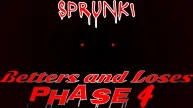
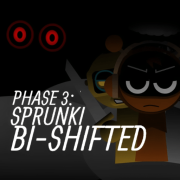
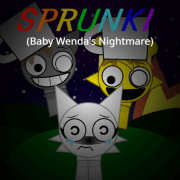
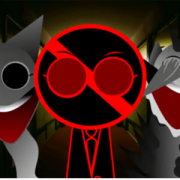
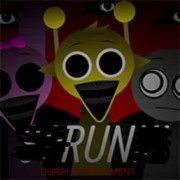
Browse the main Sprunki mod clusters: Retake, Phase, Pyramixed, Mustard, Horror, Treatment, Swap, Shifted, and FNF crossovers.
Pick by how the game feels
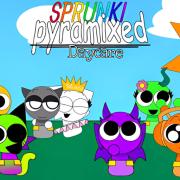
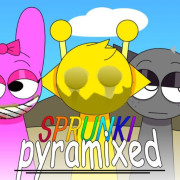
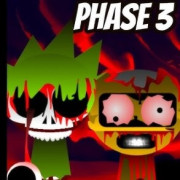
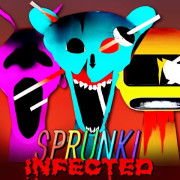
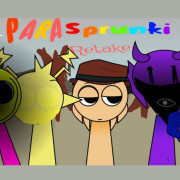
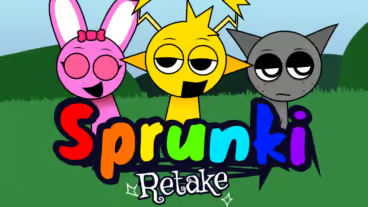
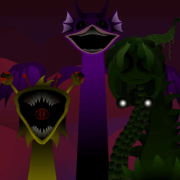
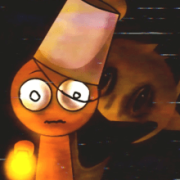
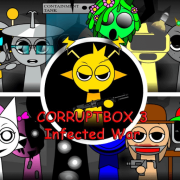
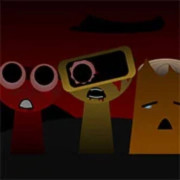
Use this Sprunki mods hub like a play menu, not a glossary. Retake is the darker remix lane: open it when you want horror mood, altered character faces, tense visuals, and a sound tray that feels different from the normal loop. Pyramixed is better when you want pyramid theme, update labels, new roster order, and visual changes that make the same drag-and-drop idea feel fresher.
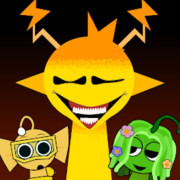
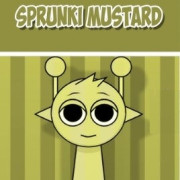
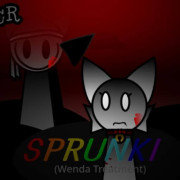
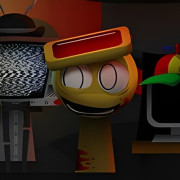
Mustard and Sprunkstard games are mainly color-remix fun: yellow palettes, familiar characters, and fast comparison value. Treatment games are character-first. They are worth opening when you want a before-after visual treatment, a transformed character, and a clear change in sound role. FNF Sprunki games are a different mini-game layer: watch the song chart, controls, opponent art, and arrow prompts instead of judging them like standard music-mixing pages.
What to compare after opening a mod
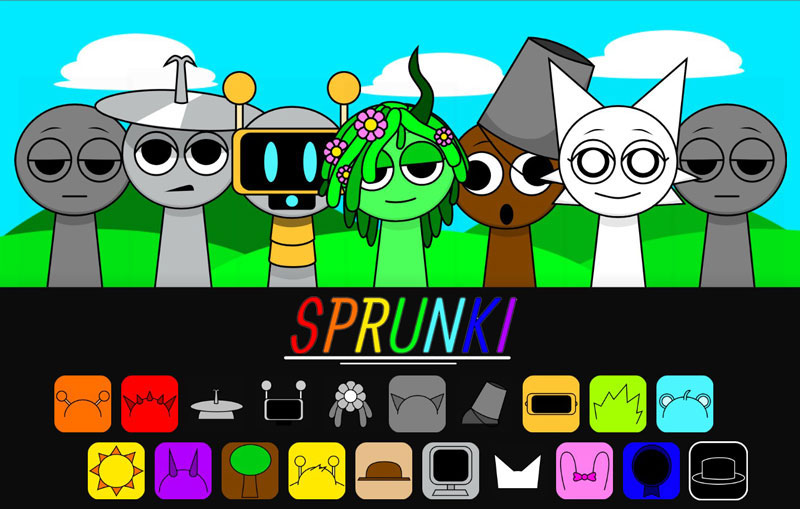
On each game page, compare the character roster, sound tray, start screen, controls, phase label, fullscreen behavior, and whether the game is music mixing, rhythm chart, arcade spin-off, or character experiment. That is the real value difference between Sprunki mods: two titles can share a name but play differently once the canvas loads.
How the families relate to each other
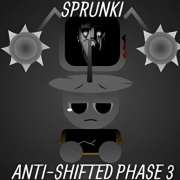
The families are not versions of one game and they are not in an order. Retake, Pyramixed, Mustard, Treatment, Horror, Shifted, Swapped, and the FNF crossovers were made by different creators, at different times, from the same starting idea. A page can belong to two families at once, which is why some builds are labelled both Treatment and Phase: the label describes what changed on screen, not who published it first.
A practical consequence: if you like one build and go looking for "the next version", you are usually looking for a different creator's take instead. That is why each family hub keeps its own list rather than pretending there is a single sequence to climb.
What this hub does not claim
Nothing here is presented as an official release, and no fan build is described as the correct or final version of Sprunki. Where a build was tested and did not run reliably in a browser, the site describes it instead of hosting a player that would fail; those pages say so directly. Where two titles launch the same runtime, only one page stays in the list, and the clone is folded into it so the roster reflects distinct games rather than duplicate uploads.
How to tell which family you are looking at
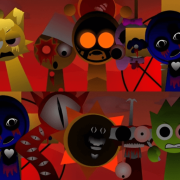
Three signals separate the families faster than the title does. First, the cast: Retake and Horror rebuild the characters themselves, while Mustard and Shifted mostly recolour the ones you already know. Second, the tray and controls: a music mixer keeps the drag-and-drop slots, an FNF crossover replaces them with a song chart and arrow prompts, and an arcade spin-off replaces them with an objective and a score. Third, the loading label: builds that carry Definitive, Remastered, or a version number are re-releases, which is why the same family can appear twice with different presentations.
When two pages disagree about what a family contains, trust the one whose playable frame matches its own title and version notes, and send the other in as a correction.
What the words after a title mean
Titles carry three kinds of signal, and none of them are official. A family word says what was rebuilt, such as Retake, Pyramixed, or Treatment. A qualifier such as Definitive, Remastered, Deluxe, or Final Update says the same creator re-released their own work, usually with cleaner art or audio, and those words are chosen freely rather than following a standard. A number usually belongs to the fan phase sequence, though creators also reuse numbers for unrelated builds. Reading the family word first and the qualifier second is the quickest way to know whether two similar pages are competing versions or genuinely different games.