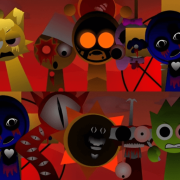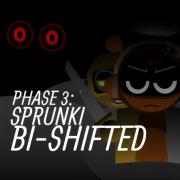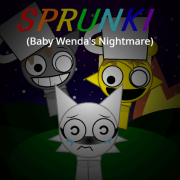
What Is Sprunki Phase 6?
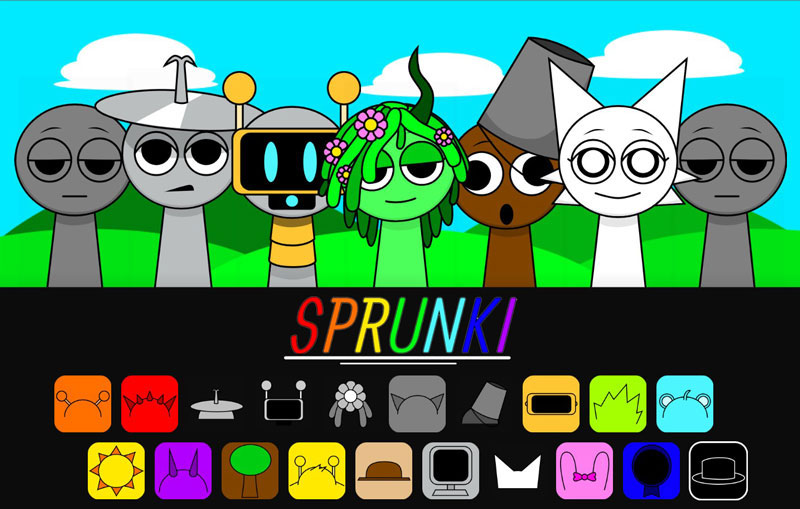
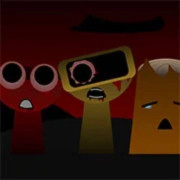
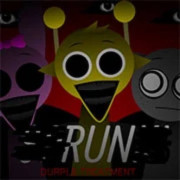
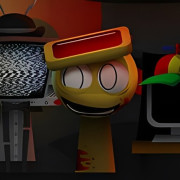
Phase 6 is the sixth entry in the fan-made phase sequence, not an official update to any game. Fan creators design the phases independently, and each one redraws the cast, swaps the sound set, and reworks the animations and rhythms. That is why phase pages describe Phase 6 as the sixth revision of an independently modded Scratch project rather than a patch note. The phase numbers are a community convention: they exist because players needed a short way to say which build they meant, and the numbering kept growing as more fans published their own versions. If a site shows you a Phase 6 game, it is showing one fan build out of several that use the same number.
Is Phase 6 an official release?
No. Phases are fan builds, so there is no release schedule and no single canonical Phase 6 file.
Why is Phase 6 so popular?
It sits high enough in the sequence to look distinctive while staying recognisable, so fan portals and video channels pick it up often.
Why Phase Numbers Confuse Everyone
The same number can point to different games. Some creators publish a phase, then re-release it as a Remastered, Definitive, or Alive edition, and other fans build their own version under the same number. Fan sites then list Phase 100 or Phase 777, which are joke or mash-up builds rather than the hundredth real update. The practical consequence is simple: the phase number tells you roughly where in the fan sequence a build sits, and the creator or uploader name tells you which build you are actually opening. Before you compare two Phase 6 pages, check whether they credit the same source.
Are Remastered and Definitive the same thing?
No. Those words are labels individual creators choose for re-releases, and they do not follow one standard.
What does Phase 2 mean?
In the original build, the darker state is usually described as Horror Mode. Fan pages often number it Phase 2, which is where the numbering system starts.
Can You Play Phase 6 on Sprunki Wiki?
Not here, and the page tells you instead of pretending. The Phase 6 builds we tested did not run reliably in this browser player, so Phase 6 stays off the playable list rather than loading a frame that stalls or shows a blank stage. Every other phase page on this site earns its place by playing in the page, which is why you will find Phase 1, Phase 1.5, Phase 2.5, Phase 3, Phase 4, Phase 5, and later phase variants here while Phase 6 is only described. If a site offers a Phase 6 game, check it on a desktop browser, and expect the same file to behave differently on a phone.
Why not host it anyway?
A page that loads a frame which never starts is worse than a page that explains the build, especially for players on phones.
Will Phase 6 be added later?
Only if a build passes the same in-page play test the other phase games pass.
Which Phase Builds Run Here
The playable phase builds on this site start from Phase 1 and move upward: Phase 1 and Phase 1.5 for the original look, Phase 2.5 and Phase 3 for the first redesigns, Phase 3 Definitive and Phase 4 Definitive Re-Animated for the re-released versions, Phase 5 and Phase 5 Definitive for the later sound sets, and Phase 10 and Phase 18 for the newer uploads. Each page lists the source it came from. Start with Phase 3 if you want the phase most players recognise, or Phase 5 if you want to hear how far the sound set moves from the original cast. If you specifically want the Phase 6 look, the closest playable matches are the Definitive re-releases, which use the same design conventions.
What should I play first?
Phase 3 is the most recognisable phase build here, and Phase 5 is the closest match in sound to the later numbered phases.
Do phase games need a desktop?
Most run on phones, but pointer controls are easier on a desktop. Use fullscreen if the tray feels cramped.
How to Try a Phase 6 Build Safely
Phase 6 builds mostly live on fan portals, Scratch remixes, and file-hosting pages, and they are not interchangeable with the versions hosted here. If you open one from another site, check three things before playing: whether the page names its uploader, whether the build asks to download a file rather than run in the page, and whether it needs a keyboard or mouse that a phone cannot provide. Downloads are the part worth being careful about, because a browser build that asks for a file is no longer a browser game. When a page only offers a download, treat it as an unknown file instead of a Sprunki version.
Why do some builds need a download?
Older Scratch exports and re-uploads are often packaged as files rather than played in the page, so sites host them as downloads.
Is a download the same game?
Not necessarily. A file someone re-uploaded can be modified, and it will not match the version another page shows.
Phase 6 Compared With the Other Mod Families
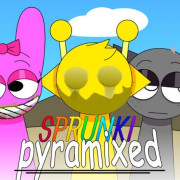
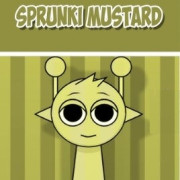
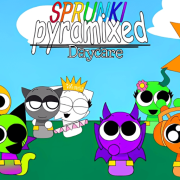
Phase builds are one family among several. Retake is a horror rebuild with its own characters and soundtrack, Pyramixed rearranges the cast into a themed set, Mustard and Shifted change the palette and the loops, and the Treatment mods redraw characters in a medical-horror style. None of them are stages of the same game, so a Phase 6 page and a Retake page describe two different fan projects that both descend from the same original mix. If you like one and want more, the mod family hubs group the builds that share a look, and the wiki index collects every family in one place.
Is Phase 6 part of Retake?
No. Phases and Retake are separate fan families, even though both are darker than the original mix.
Where are all the families listed?
The wiki index lists the phase, Retake, Pyramixed, Mustard, Treatment, and crossover families with links to each hub.