
Why the Numbers Do Not Form a Timeline
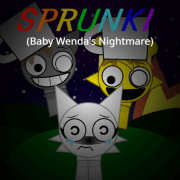
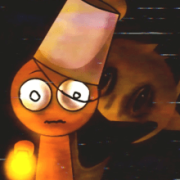
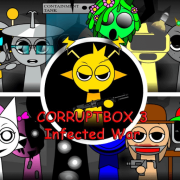
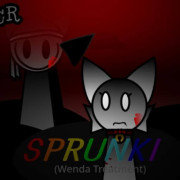
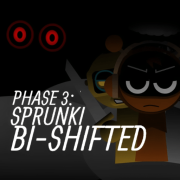
Every phase page here is a separate fan build, not a chapter. The catalog carries 33 builds whose title or address includes a phase number, and between them they cover 16 numbers: 1, 2, 3, 4, 5, 7, 8, 9, 10, 11, 12, 15, 18, 56, 222 and 777. There is no Phase 6. A missing number is not a lost episode and a high number is not a later act - the spread is the clearest evidence that these are labels fans attached to their own builds. Anyone arriving from a search like "sprunki phase 10" is looking for one specific build, and the fastest route is the phase page for that number rather than any ordering of the set.
Is there an order I should play them in?
Only by number if you want the small ones first. The builds share a cast and a mixing model, so nothing is spoiled by starting elsewhere.
Why 777?
Because a creator picked it. It is a label with the same standing as Phase 3, which is the point this page keeps making.
What Actually Differs Between Two Phases
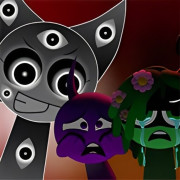
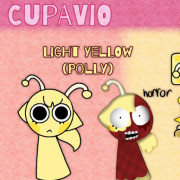
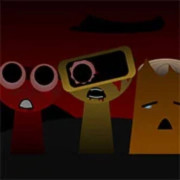
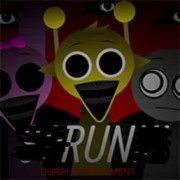
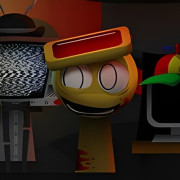
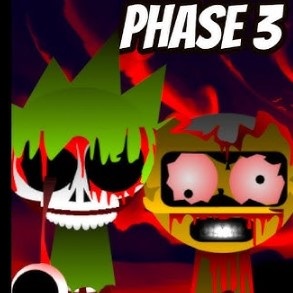
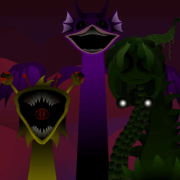
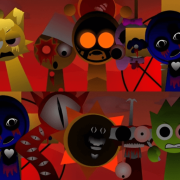
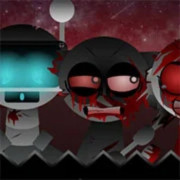
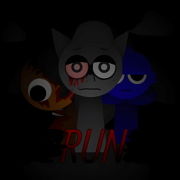
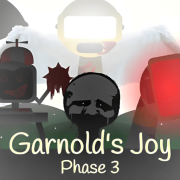
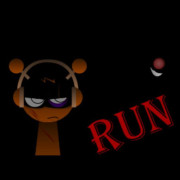
When players compare Phase 3 with Phase 4, the differences they notice are concrete: which performers are on the stage, how the horror form is drawn for each of them, how the background is treated, and whether the build exposes any phase controls at all. The sound roles are stable across the set - a Kick drum is a Kick drum - so the identity of a phase lives in its roster and its art rather than in new mechanics. That makes side-by-side comparison the only honest way to describe one, which is why each phase page links its nearest neighbours instead of claiming a position in a sequence.
Do later phases reuse the same cast?
Broadly yes. The original 20 performers stay the reference, and a phase build usually reworks them rather than replacing the roster.
What is a definitive edition?
Its own build, with its own roster and sounds. It is not an update to the plain phase of the same number, so compare the two pages rather than assuming one replaces the other.
Remakes, Definitive Editions and Shifted Builds
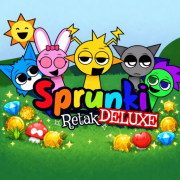
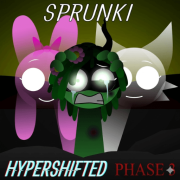
Three groups sit alongside the numbered pages and get confused with them constantly. Remakes rework an existing phase and publish under a new name. Definitive editions present themselves as the finished version of a number, and several numbers have more than one. Shifted builds rearrange who performs what, so the cast looks familiar while the mix does not. None of the three is a higher tier of the original, and the catalog does not rank them - it describes what each build does and lets the related games under each page carry you to the nearest one.
Which should I open first?
Whatever number you searched for. Start with the plain phase, then compare the remake or definitive page next to it so the differences are visible.
Characters in this story
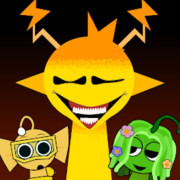
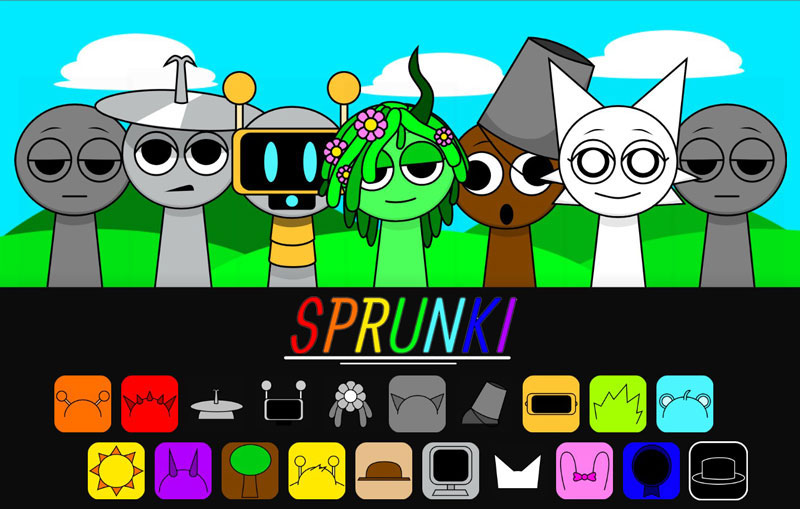
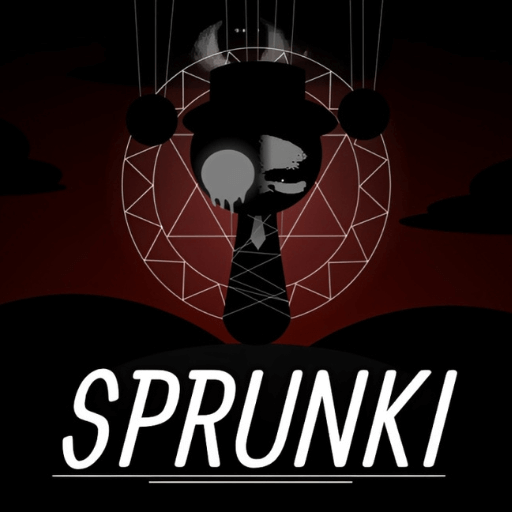
Simon (Melodies, 8-bit synth): Melodies performer who plays an 8-bit synth line, and a regular face in phase and Horror Mode games. Black (Vocals, hidden/dark vocal): Hidden Vocals performer in a top hat; placing Black on the stage switches the original game into Horror Mode. Gray (Effects, bass and effect layer): Gray, cat-eared Effects performer who carries the bass and effect layer, and one of the most talked-about characters in Horror Mode.
Is this story official canon?
Only what you can see in the games and what the creators have said is canon. Fan theories, ships, and AU ideas are labelled as fanon on this wiki.
Stories with the same characters
Sprunki Lore: A wiki-safe overview that separates playable game facts from fan theories and community headcanon. Sprunki Horror Mode Story: Canon-safe summary of the darker mode, visual changes, character transformations, and related horror mods. Black Origin: A focused page for Black's role in darker Sprunki stories, villain readings, and fanon boundaries.
Mod families that use this story
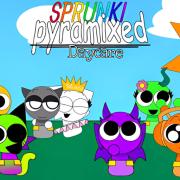
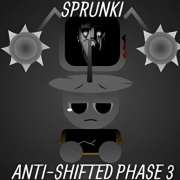
Sprunki Phase Games: Phase pages collect numbered phase mods, remakes, and timeline-style variants for players comparing how each version changes the cast. Sprunki Pyramixed Mods: Pyramixed pages focus on remix-heavy variants, update versions, remake discussions, and character unlock searches. Sprunki Swapped Mods: Swapped builds exchange the visual cast and the roster order, so familiar characters trade places instead of changing their art. Sprunki Shifted Mods: Shifted builds hand the parts to different characters, so the face you recognise plays a different layer of the mix. Sprunki Definitive Mods: Definitive builds carry a phase number and the word definitive, and the catalog treats each as its own game rather than an update of the plain phase. Anti-Shifted Sprunki Mods: Anti-shifted builds take a shifted arrangement and put the roles back the other way, so the swap runs in reverse.