Mod families · 9 min read
Sprunki Mod Wiki
A mod list that ranks builds by popularity answers a question nobody asked. What you need to know is which family a name belongs to, what that family changes, and how to tell two builds in the same family apart. That is what the family pages here do.
A family you can judge in ten seconds
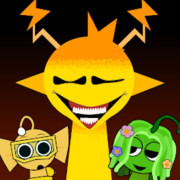
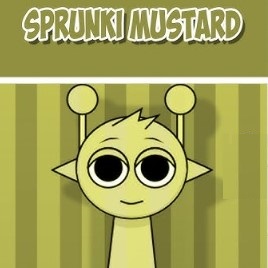
Mustard is the clearest demonstration of what a family is, because its whole proposition is one decision: recolour the cast. Open it, then open the original in another tab, and the difference is the family.
Rotate your phone for landscape play
S P R U N K I · W I K I
Warming up the beat…
Loading game...
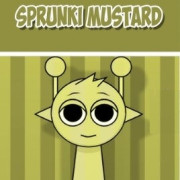
Sprunki Mustard
Mustard is a colour remix, not a rework. If you expected new sounds, that expectation is the thing to correct.
The short version
- Mod families with their own page
- 19
- Playable builds in the catalog
- 279
- Largest family
- Retake
- Families that change controls
- FNF, Clicker, and arcade crossovers
- Families that change only the palette
- Mustard and its relatives
- Builds listed under two families
- Present by design, not by error
A family is a direction, not a collection
The word 'mod' gets used for two different things in this scene, and the confusion causes most of the bad pages about it. A mod can be one playable build — a single upload with its own roster and audio. A mod can also be a family, meaning the label that several builds share because they pursue the same idea. The catalog keeps both, and the family pages are the part that makes 279 builds navigable.
19 families currently have a page. That number is not a target; it is what the builds in the catalog actually justify. When a label appears on enough builds to have a coherent identity, it earns a page that explains what the label changes and lists every build carrying it. When a label appears once, it stays a build page.
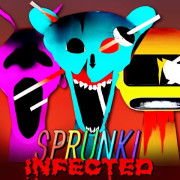
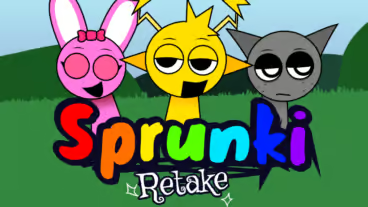
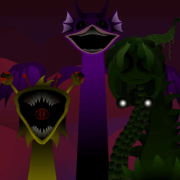
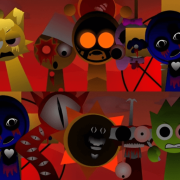
- Retake — darker remakes with horror framing.
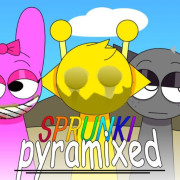
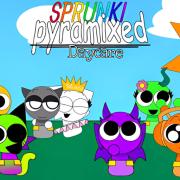
- Pyramixed — pyramid geometry and a warmer palette.
- Mustard — a full recolour into the yellow palette.
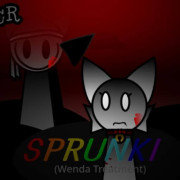
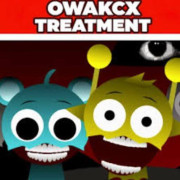
- Treatment — one character's transformation arc.
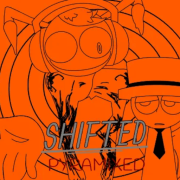
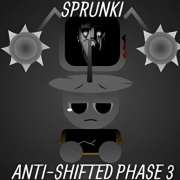
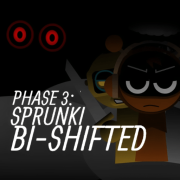
- Shifted — re-textured builds with pushed contrast.
- Arcade — 30 spin-offs that swap the sound tray for an objective and a control scheme.
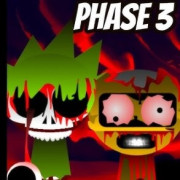
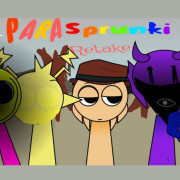
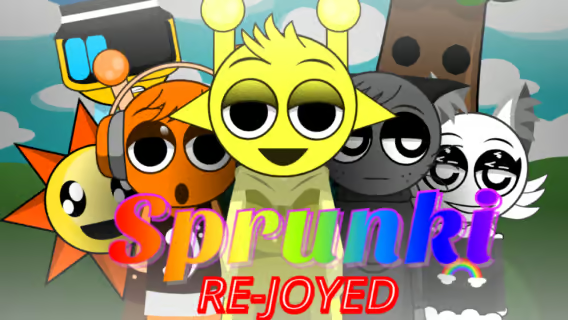
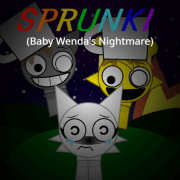
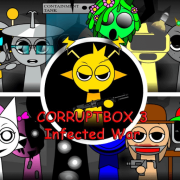
- Horror, Swap, FNF, Definitive, Corruptbox, Sprunked, Clicker, Anti, Brainrot, Dandy, ParaSprunki, Rejoyed, Phase.
The six questions a family page answers
Every family page is built to answer the same six questions in the same order, so a reader can compare families without relearning the page each time. What does the label mean? What changes visually? What changes in the audio? Does the control scheme change? Which builds carry the label? What is it most often confused with?
That last question is the one most mod lists never answer, and it is the one that saves the most time. Treatment is confused with Retake because both are dark. Shifted is confused with Pyramixed because both are re-textures. FNF is confused with ordinary Sprunki because both use the same cast. Naming the confusion on the page is worth more than another paragraph of description.
Families that only change the palette, and why they still deserve a page
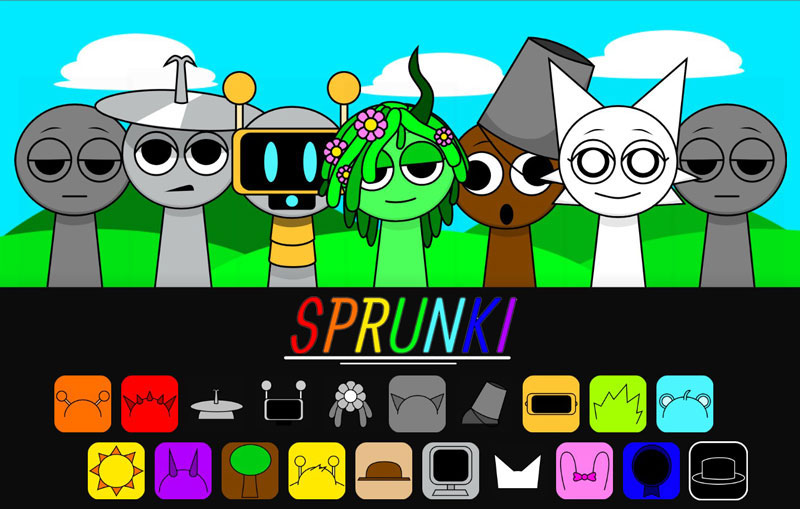
Mustard is the clearest example of a family whose entire proposition is a visual decision. The roster is the familiar one, the sound groups behave normally, and the tray works the way it always does — everything is recoloured into a yellow palette the name promises. On the face of it that should not need documentation.
It needs it because palette is not cosmetic in practice. A build that changes the colour of every icon changes how fast you can find the character you want, and it changes how the horror state reads, because the horror state is defined by a visual shift and that shift is different when the baseline is yellow. A family page records the parts of the experience a screenshot cannot: the speed of recognition, the feel of the palette, and whether the recolour is consistent across the cast or only applied to the icons.
- Palette families change recognition speed more than they change sound.
- Consistency matters: a partial recolour reads as unfinished.
- The horror state has to be re-judged against the new baseline.
- A short family page is still worth having if it says these things.
Families that change how you play
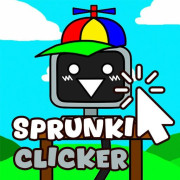
Three of the families do not change the dressing, they change the interaction. FNF crossovers replace drag-and-drop mixing with arrow-key rhythm timing against a Sprunki opponent. Clicker builds reduce the whole format to repeated tapping and progression numbers. Arcade and merge crossovers take the cast into genres that only share the characters.
These are the builds most often mis-sold, because a page titled with a Sprunki character can hide a completely different control scheme. The family page for each states the control change in the first paragraph, which is the single most useful sentence on it. A reader who wants a music mixer should be able to rule these out in five seconds, and a reader who wants a rhythm game should be able to find them without wading through mixers.
Why builds appear under two families
Some titles carry two labels — a phase number plus a definitive word, or a family name plus a treatment word. The temptation is to file each build under one family so every build appears exactly once, which produces a tidy list and a worse reference: the reader who arrived via the second label finds nothing.
The catalog lists such builds under both pages, and the family page says so. Nothing is duplicated in a misleading way, because the two pages describe the build from two angles rather than copying one description twice. The rule that actually matters is different: within one page, no build may appear twice, which is why each page allocates its game slots once.
How to choose a mod in under a minute
Decide what you want the build to change, and let the family answer it. Want the same game, different mood? Retake. Same game, different colour? Mustard. Same game, different geometry? Pyramixed. Same game, one character transformed? Treatment. Same game, harder to look at? Shifted. Different genre entirely? FNF or Clicker. Then open the family page and take the build whose summary matches what you wanted.
That procedure gives a better result than any ranking, because rankings answer 'what is popular' while this answers 'what did I want'. The 279 builds here are not competing for a top ten; they are variations on one format, and the useful axis is the variation, not the popularity.
Questions this post answers
How many Sprunki mod families are there?
19 have their own page here, which is the number the catalog justifies. New labels get a page once enough builds carry them to have a coherent identity.
What is the difference between a mod and a mod family?
A mod is one playable build. A family is the label several builds share. Retake is a family; Sprunki Retake is a build within it.
Which family should a beginner start with?
None of them — start with the original build. Families are variations, and a variation is easier to appreciate when you know what it varies.
Why do some builds show up under two family pages?
Because their titles carry two labels. Listing them under both is more useful than forcing a build into one page and hiding it from the reader who used the other name.